
ADHD Treatment
Experience More Mood Stability with Psychiatric Care for Those with Bipolar Disorder
When bipolar disorder symptoms are unpredictable, stability matters most. We focus on careful evaluation and steady treatment planning that reduces swings over time.
Recognized by:





Medication Is Just One Tool for Treating Bipolar Disorder
Your highs feel productive until they aren’t. Your lows feel permanent until they lift. In between, your symptoms may have been mislabeled and placed in treatment that helped one issue but worsened another, and told you just need to try harder.
The most important factor in bipolar treatment is working with a psychiatrist who understands how to recognize patterns and adjust treatment carefully over time.
3 Simple Steps To Better Bipolar Care

Request an appointment
We respond quickly and can typically schedule you within 1-2 weeks, while many practices book 6-8 weeks out.

Talk to a real, live human
Someone personally reviews your concerns about bipolar. Cost is clear upfront. Out-of-network benefits are walked through before anything begins.

Meet directly with your psychiatrist
Your evaluation is explained. Highs, lows, and triggers examined. Nothing is prescribed until the full picture is understood.
How the Right Bipolar Treatment Can Change Your Life
- ➤ Episodes of mania occur less often and are less intense
- ➤ Early warning signs (sleep, energy, racing thoughts) become easier to recognize
- ➤ Anxiety, PTSD, or ADHD are treated alongside mood symptoms when present
- ➤ Relationships and daily functioning become more consistent
- ➤ Work and routines feel more stable and predictable
- ➤ Family or close contacts often notice stability before you do
- ➤ Over time, treatment typically requires fewer adjustments
Over time, treatment often becomes simpler, with lower doses and fewer adjustments when stability is consistent.

Expert Care for How Bipolar Disorder Shows Up for You

Young Adults (18–25)
- ➤ Mood instability during transitions
- ➤ Irregular sleep and energy patterns
- ➤ Difficulty maintaining routine or consistency

Established Adults (26–55)
- ➤ Cycles of high productivity and burnout
- ➤ Mood shifts affecting work and relationships
- ➤ Need for structured, stable treatment planning

Adults With Complex Presentations (18–65+)
- ➤ Co-occurring anxiety, trauma, or ADHD
- ➤ Long treatment histories with inconsistent response
- ➤ Need for careful diagnostic clarification and stabilization

What Makes Bipolar Disorder Care Different at MINDFUL
Bipolar disorder is frequently misdiagnosed as depression, anxiety, or a personality disorder because nobody has examined the full picture carefully enough. At Mindful, nothing is prescribed until your mood patterns, history, and underlying drivers are fully evaluated.
Every medication decision is explained before it is made. Every adjustment comes with a reason. ACT therapy is incorporated when it fits for building psychological flexibility alongside medication.
Nutritional deficiencies and gut health affect mood stability in ways most practices don’t regularly examine. We review both as part of your plan when indicated.
This is the psychiatric care you get with experienced, steadfast, and transparent psychiatrists who live in and invest in this community.
Meet Local Psychiatrists Treating Bipolar Disorder

Justin Dyniewski, MD
Dr. Dyniewski has been part of the Mindful team since 2017. He has vast experience working with adults and young people who experience anxiety and have a family history of mental illness across Texas. His approach to anxiety treatment is thoughtful. He understands the full picture and is transparent with patients about his recommendations. His patients consistently value how clearly he explains the reasoning behind their care.
Training & Education
- Child, Adolescent & Adult Psychiatrist (MD)
- General Adult Psychiatry & Child Psychiatry: University of Arkansas
- Faculty: Texas Christian University (Clinical Assistant Professor)
Clinical Focus
- Adults: anxiety, ADHD, mood concerns
- Children/teens: attention and anxiety-related concerns
- Medication management with a “lowest effective dose” mindset

Amelia Villagomez, MD
Dr. Villagomez is an expert in integrative psychiatry. Her treatment plans go beyond medication. Her deep training at Yale and Harvard and a two-year fellowship in integrative medicine shape her unique approach to anxiety disorders. She covers biological, behavioral, nutritional, and lifestyle changes, along with targeted mindfulness interventions when clinically appropriate.
Training & Education
- Child, Adolescent & Adult Psychiatrist (MD)
- General Adult Psychiatry: Yale School of Medicine; Child Psychiatry: Harvard University
- 2-year Fellowship: Andrew Weil Center for Integrative Medicine (University of Arizona)
- Faculty: Texas Christian University (Clinical Assistant Professor)
Clinical Focus
- Integrative psychiatry
- Child/adolescent and adult psychiatry
- Mind-body skills and lifestyle-informed treatment planning
- Medication at the lowest effective dose when needed

David Marvin, MD
Dr. Marvin works with adults with anxiety-related concerns. His focus is on helping patients make sense of what is actually happening, simplifying the treatment plan as much as possible, and building toward long-term stability. He incorporates ACT (Acceptance and Commitment Therapy) when it fits the situation and approaches anxiety care as a collaborative process, straightforward and thoroughly guided by a psychiatrist.
Training & Education
- Board Certified Adult Psychiatrist
- General Adult Psychiatry: University of Arkansas
- Internship in Family Medicine: University of Tennessee
- Former Psychiatrist: U.S. Department of Veterans Affairs (Fort Worth)
Clinical Focus
- Bipolar disorder
- PTSD
- ADHD
- Adult medication management and psychiatric care

Christopher Bone, DO
Dr. Bone provides high-quality telehealth psychiatry across Texas for adults who want an expert physician in their corner. His approach is direct in the best way: skip the noise, talk one-on-one, and build a treatment plan that goes beyond just managing symptoms of anxiety disorders. His clinical background spans inpatient, outpatient, and forensic settings, allowing him to treat a wide range of anxiety conditions while looking deeper than surface-level symptoms.
Training & Education
- Board-Eligible Adult Psychiatrist
- General Adult Psychiatry: JPS Health Network – Fort Worth
Clinical Focus
- Integrative telepsychiatry
- Comprehensive psychiatric evaluation
- Thoughtful medication management + whole-person planning
- Texas-wide virtual care
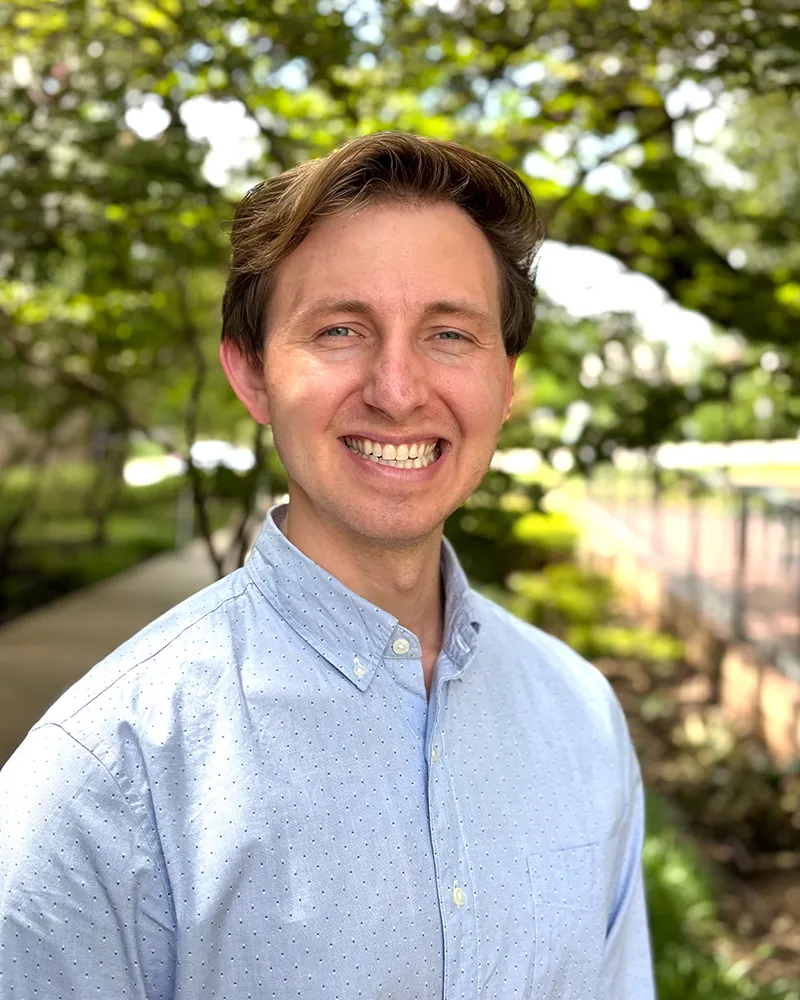
Jake Ryan Fields, MD
Dr. Fields helps people treat anxiety disorders with psychiatric precision. He listens carefully, reviews thoroughly, and builds a plan that is safe and clinically sustainable before making any recommendations. His additional training in sports psychiatry gives him a particular understanding of how performance pressure, chronic stress, and anxiety intersect in high-functioning adults.
Training & Education
- Board-Eligible Adult Psychiatrist
- General Adult Psychiatry: JPS Health Network – Fort Worth
- Additional training in Sports Psychiatry (International Society of Sports Psychiatry)
Clinical Focus
- Comprehensive psychiatric evaluation
- Evidence-based medication management
- Performance, stress, and mood-related concerns
- Performance, stress, and mood-related concerns

Brian J. Dixon, MD
Dr. Dixon built Mindful around a straightforward standard: psychiatric care should be physician-led, transparent, and accountable to the patient. He is direct about what is happening clinically, what it costs, what the options are, and what the plan is, so patients are never left guessing between appointments. He provides professional help for behavioral modification for children, teens, and adults, with a particular focus on how anxiety shows up across different age groups.
Training & Education
- Child, Adolescent & Adult Psychiatrist (MD)
- Triple Board Residency (Pediatrics/Psychiatry/Child Psychiatry): University of Kentucky
- Faculty: Texas A&M University (Affiliate Clinical Assistant Professor)
Clinical Focus
- Behavior modification (ASD, RAD, ODD, ADHD)
- Comprehensive care for Intellectual and Developmental Disabilities (IDD)
- PTSD and cultural psychiatry
- Business coaching and entrepreneurship

Justin Dyniewski, MD
Dr. Dyniewski has been part of the Mindful team since 2017. He has vast experience…
Read More

Amelia Villagomez, MD
Dr. Villagomez is an expert in integrative psychiatry. Her treatment plans go beyond…
Read More

David Marvin, MD
Dr. Marvin works with adults with anxiety-related concerns. His focus is on helping patients…
Read More

Christopher Bone, DO
Dr. Bone provides high-quality telehealth psychiatry across Texas for…
Read More

Jake Ryan Fields, MD
Dr. Fields helps people treat anxiety disorders with psychiatric precision. He listens…
Read More

Brian J. Dixon, MD
Dr. Dixon built Mindful around a straightforward standard: psychiatric care should be…
Read More
Experienced, Local, Community-Connected Physicians
(What Makes Mindful Different)
Mindful is powered by over 72,000 hours of psychiatric training across 6 states with 47+ years of combined private practice.
Founded by Brian J. Dixon, MD, the team includes psychiatrists with varied backgrounds and skills to better meet the needs of the population we support.
We’ve been consistently recognized for excellence by our physician peers as TopDocs in Fort Worth Magazine and 360West.
The best psychiatric care is local. It’s delivered by doctors who live in and invest in the same community you do.
- ➤ Local physicians who live and work in Texas
- ➤ Accessible scheduling (typically within one to two weeks)
- ➤ Over 47 years combined experience in private practice
- ➤ Transparent pricing from the beginning
- ➤ Direct support for out-of-network reimbursement
We have never centered insurance companies. Since 2014, we have centered our patients.
For those who want rushed or insurance-directed care, we are not the right fit.
If you’re looking for thoughtful, physician-led psychiatric care, we’re here to help.


Founded by Brian J Dixon, MD, our growing team of life-long learners include psychiatrists on faculty with Texas A&M College of Medicine, TCU Burnett School of Medicine, and University of Arizona.
Request A Psychiatry Appointment Today
Contact us using the form below.
We respond promptly during business hours
(Mon–Fri, 8am–5pm)
What Our Patients Are Saying
FAQs About Bipolar Disorder Treatment

Is bipolar I disorder similar to bipolar II disorder?
Bipolar I involves full manic episodes that significantly affect functioning, sometimes requiring hospitalization. Bipolar II involves hypomanic episodes that are less severe than full mania, combined with depressive episodes and low mood. Both are real and require careful clinical management. We evaluate thoroughly before confirming or revisiting any diagnosis.
What are the common symptoms of bipolar disorder?
The symptoms of bipolar disorder often go far beyond simple mood changes. Many people experience mood episodes that include periods of depression, low energy, impulsive behavior, racing thoughts, or symptoms of mania that disrupt daily life, relationships, sleep, and work. A trained psychiatrist can help determine whether symptoms fit bipolar disorder, cyclothymic disorder, post-traumatic stress disorder, or other mood disorders after careful evaluation. Because brain chemistry, family history, stress, and other risk factors can all play a role, getting accurate mental healthcare is often the first step toward more stable functioning and improved mental health.
What does bipolar disorder treatment usually include?
Effective treatment for bipolar disorder usually combines medication management with talk therapy, Cognitive Behavioral Therapy (CBT), education, and long-term support. Your healthcare professional may also recommend support groups, sleep regulation, and structured routines to help reduce mood episodes over time. Treatment plans are built around the different types of bipolar presentations and how the mental illness affects your daily life, relationships, and emotional stability. Many patients and loved ones spend a long time trying to understand confusing mood patterns before getting clear answers, so we focus on providing direct health information, practical guidance, and treatment that helps both the patient and their family members better understand what is happening clinically.
Can bipolar disorder be treated without medication?
For most individuals with bipolar disorder, medication is part of the long-term plan; however, the type, dose, and duration vary based on the clinical picture. We often combine this with structured therapy approaches such as ACT and CBT. Nutritional, lifestyle, and sleep factors are also reviewed as they can support overall stability alongside medical treatment.
What is the difference between depression and bipolar disorder?
The key difference lies in mood patterns. Depression involves persistent low mood, fatigue, and loss of interest, while bipolar disorder (also known as manic depression) includes periodes of depression along with periods of elevated mood, increased energy, or impulsive behavior (mania or hypomania). We focus on clarifying what is driving your symptoms and provide a clear, structured clinical plan with all appropriate treatment options explained.
I was diagnosed with depression, but I think it might be bipolar. What should I do?
This is one of the most common situations we see. Bipolar disorder is frequently misdiagnosed as depression, sometimes for years, because the hypomanic or manic episodes are missed, minimized, or misattributed. In some cases, antidepressant treatment without a mood stabilizer can worsen symptoms. If your current treatment has not felt effective, a careful evaluation can help clarify the diagnosis and guide the next steps.
Will medication for bipolar disorder change my personality?
No. We monitor closely for side effects and related conditions that affect personality, energy, creativity, or cognitive sharpness. Then we prescribe medicine accordingly. The goal at Mindful is always the lowest effective dose for the shortest appropriate time. You should feel stable and supported, not flattened or numbed.
How long does bipolar treatment take to stabilize?
Stabilization timelines vary depending on symptom severity, diagnosis history, and prior treatment. Many patients begin to see improvement within weeks to a few months with a structured treatment plan. Ongoing care helps reduce trial-and-error and supports more consistent long-term stability.
What is gut psychiatry, and how does it relate to bipolar disorder?
The gut and the brain are interlinked. Nutritional deficiencies, gut inflammation, and poor absorption of key micronutrients all affect mood regulation. Nutrition, micronutrients (if indicated), and gut health are reviewed as part of every comprehensive plan. These give the mood stabilizers, supplements, and behavioral strategies the best possible foundation to work from.
Do you treat bipolar disorder that co-occurs with anxiety or PTSD?
Yes. Bipolar disorder frequently co-occurs with anxiety disorders, panic disorder, PTSD, and ADHD, which makes diagnosis and treatment more complex. When you are experiencing overlapping symptoms like these, they require careful, in-depth evaluation. At Mindful, we begin with a full clinical assessment; recommendations follow only after the complete picture is understood, so the treatment plan is grounded in what is actually driving your symptoms.
Do you take insurance?
Since 2014, we have centered on patients, not insurance companies. No pressure to rush evaluations; no incentive to prescribe what is easiest to approve; no surprise costs. We provide clear documentation and tools, including Reimbursify, to help you use out-of-network benefits and recover a portion of fees where eligible.
How quickly can I be seen?
Typically, within 1 to 2 weeks. Most psychiatry practices in this area carry a three to four-month wait for a first appointment. For someone managing bipolar disorder without stable clinical support, that is not a reasonable timeline.
Real, Lasting Stability Begins with the Right Support
Mood stability and clearer thinking often begin when a psychiatrist takes the time to understand what is actually driving the highs and lows, and builds a treatment plan around that understanding.
Stability improves when treatment is guided by careful evaluation and consistent follow-through.